


Breaking Down Full Property Refurbishment Costs: A Guide to Your Property Renovation Budget
- Murillo Moreira

- 2 days ago
- 4 min read
When planning a property renovation, understanding the costs involved is essential. Whether you own a residential or commercial property, a clear budget helps you avoid surprises and ensures your project runs smoothly. In this post, I will break down the key components of a property renovation budget and explain how to manage expenses effectively. This guide focuses on practical steps and clear explanations to help you plan your project with confidence.
Understanding Your Property Renovation Budget
Creating a property renovation budget starts with knowing what to expect in terms of costs. Renovations can vary widely depending on the size of the property, the extent of work, and the quality of materials used. To build a realistic budget, you need to consider several categories:
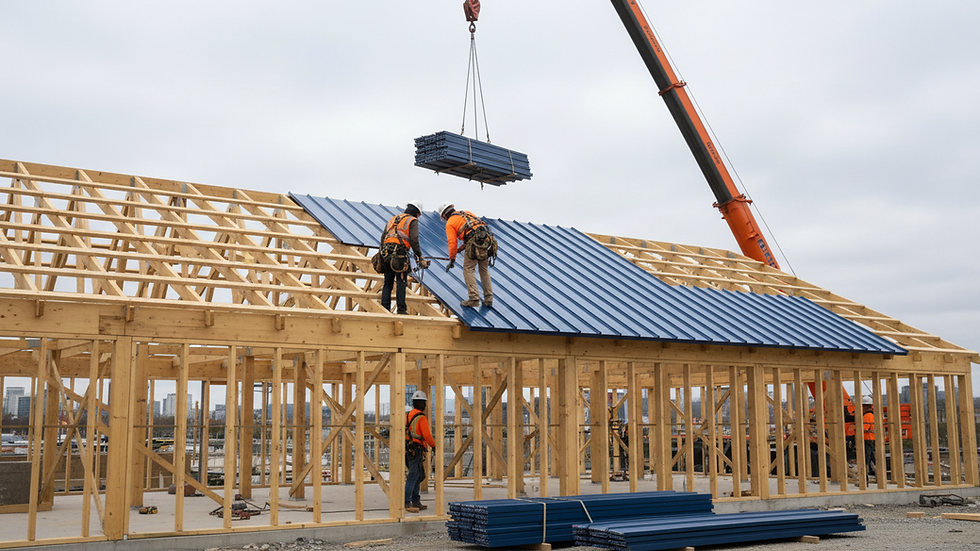
Structural work: This includes foundation repairs, roofing, and any changes to the building’s framework.
Interior work: Flooring, walls, ceilings, and insulation fall under this category.
Systems upgrades: Electrical, plumbing, heating, ventilation, and air conditioning (HVAC) systems.
Fixtures and finishes: Cabinets, countertops, lighting, and paint.
Permits and inspections: Local government fees and required inspections.
Labor costs: Payments to contractors, subcontractors, and specialists.
Each of these categories can have a significant impact on your overall budget. For example, replacing a roof can cost tens of thousands of dollars, while repainting walls is much less expensive. It is important to get detailed quotes from professionals to understand the costs specific to your property.
How to Allocate Your Property Renovation Budget
Allocating your budget wisely means prioritizing the most critical aspects of your renovation. I recommend dividing your budget into percentages based on the type of work. A common approach is:
Structural and systems work: 40-50%
This is the foundation of your renovation. Ensuring the building is safe and up to code is the first priority.
Interior finishes and fixtures: 30-40%
These elements affect the look and feel of your property. Quality materials here can increase property value.
Labor costs: 15-25%
Skilled labor is essential for quality work. Don’t cut corners on experienced professionals.
Contingency fund: 10-15%
Always set aside a buffer for unexpected expenses. Renovations often uncover hidden issues.
For example, if your total budget is $100,000, you might allocate $40,000 to structural and systems work, $35,000 to finishes, $20,000 to labor, and $5,000 to contingency. Adjust these percentages based on your project’s specific needs.
What is the 30% Rule for Renovations?
The 30% rule is a simple guideline to help you estimate renovation costs relative to the property’s value. It suggests that you should not spend more than 30% of the property’s market value on renovations. This rule helps prevent over-investing in a property that may not yield a good return.
For example, if your property is worth $300,000, the maximum renovation budget should be around $90,000. This rule is especially useful for investors and homeowners who plan to sell after renovation. It encourages realistic budgeting and helps maintain profitability.
However, the 30% rule is a guideline, not a strict limit. Some projects may require more investment due to unique circumstances or desired upgrades. Always consider your goals and consult with professionals to tailor your budget accordingly.
Breaking Down the Full Property Refurbishment Cost
When you look at the full property refurbishment cost, it includes all the elements mentioned earlier, combined into a comprehensive figure. This cost covers everything from initial design and planning to the final finishing touches.
To give you a clearer picture, here is a detailed breakdown of typical costs for a full refurbishment:
Design and planning: 5-10% of total budget
Includes architectural drawings, permits, and project management.
Demolition and site preparation: 5-10%
Removing old materials and preparing the site for new construction.
Structural repairs and upgrades: 20-30%
Foundation, walls, roofing, and framing.
Systems installation and upgrades: 15-25%
Electrical wiring, plumbing, HVAC.
Interior finishes: 20-30%
Flooring, painting, cabinetry, fixtures.
Contingency: 10-15%
For unexpected costs and changes.
For example, a $200,000 refurbishment might allocate $20,000 for design, $15,000 for demolition, $50,000 for structural work, $40,000 for systems, $50,000 for finishes, and $25,000 for contingency.
Tips for Managing Your Renovation Budget Effectively
Managing your property renovation budget requires careful planning and ongoing oversight. Here are some practical tips to help you stay on track:
Get multiple quotes: Always obtain at least three quotes from contractors to compare prices and services.
Prioritize essential work: Focus on structural and systems work before cosmetic upgrades.
Use quality materials wisely: Invest in durable materials for high-traffic areas, but consider cost-effective options for less visible spaces.
Track expenses regularly: Keep detailed records of all costs and compare them to your budget frequently.
Communicate clearly with contractors: Ensure everyone understands the scope of work and budget limits.
Plan for delays and changes: Renovations often take longer than expected. Build flexibility into your schedule and budget.
Consider phased renovations: If budget constraints are tight, plan to complete the project in stages.
By following these steps, you can reduce the risk of overspending and ensure your renovation delivers the desired results.
Planning for Long-Term Value and Efficiency
A well-planned renovation not only improves your property’s appearance but also increases its value and efficiency. Consider incorporating energy-efficient systems and sustainable materials. These investments can reduce utility costs and appeal to future buyers or tenants.
For example, upgrading to LED lighting, installing energy-efficient windows, and improving insulation can lower heating and cooling expenses. Additionally, modern HVAC systems often provide better performance and reliability.
When budgeting, include these upgrades as part of your property renovation budget. While they may increase upfront costs, the long-term savings and added value often justify the investment.
By understanding the components of your property renovation budget and carefully managing costs, you can achieve a successful refurbishment. Whether you are updating a home or commercial space, clear planning and realistic expectations are key. Use this guide to navigate your project with confidence and make informed decisions every step of the way.


Comments