


Repair Laminate Water Damage: A Practical Guide to Restoring Water-Damaged Laminate Floors
- Murillo Moreira

- 3 days ago
- 3 min read
Water damage to laminate floors can be a frustrating and costly problem. Whether caused by a plumbing leak, flooding, or spills left unattended, water can compromise the integrity of laminate flooring quickly. I have worked on many restoration projects and understand the importance of acting fast and following the right steps to repair laminate water damage effectively. This guide provides clear, step-by-step instructions to help you restore your laminate floors and prevent further issues.
Understanding How to Repair Laminate Water Damage
When laminate floors get wet, the damage can range from minor surface issues to severe swelling and warping. The first step in repair is assessing the extent of the damage. Look for signs such as:
Buckling or warping planks
Discoloration or staining
Soft or spongy areas when stepped on
Peeling or separation of the laminate layers
If the damage is limited to a small area, you may be able to replace individual planks. For widespread damage, a full floor replacement might be necessary. Before starting repairs, stop the source of water and dry the area thoroughly using fans and dehumidifiers.
Step-by-Step Repair Process
Remove Damaged Planks
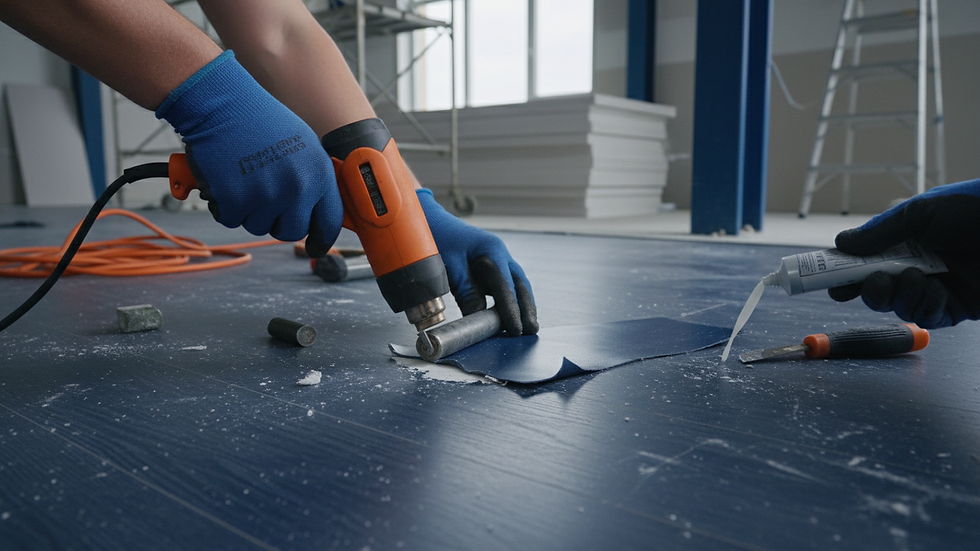
Carefully pry up the damaged laminate planks using a flat pry bar. Avoid damaging surrounding planks. If your floor uses a click-lock system, you may need to remove baseboards to access the edges.
Dry the Subfloor
Check the subfloor for moisture. Use a moisture meter if available. Dry the subfloor completely before installing new laminate to prevent mold growth.
Replace or Repair Subfloor if Needed
If the subfloor is damaged or swollen, replace the affected sections. Use plywood or appropriate underlayment materials.
Install New Laminate Planks
Fit new planks into place, ensuring they lock securely. Leave a small expansion gap around the edges as recommended by the manufacturer.
Reinstall Baseboards and Clean Up
Replace baseboards and clean the floor surface. Use a laminate floor cleaner to restore shine.
If you want detailed guidance on laminate floor water damage repair, this resource offers professional tips and services.

How Long Does It Take for Mold to Grow Under Wet Laminate?
Mold growth is a serious concern when laminate floors get wet. Mold can start developing within 24 to 48 hours if moisture remains trapped under the flooring. The laminate surface may look dry, but moisture can linger beneath, creating an ideal environment for mold spores to thrive.
To prevent mold:
Act quickly to dry the floor and subfloor.
Use fans and dehumidifiers to reduce humidity.
Remove damaged planks to expose and dry the subfloor.
Consider using mold inhibitors or antimicrobial treatments on the subfloor before installing new laminate.
Ignoring water damage can lead to health risks and costly repairs. Regularly inspect your floors after any water exposure to catch problems early.

Preventing Future Water Damage to Laminate Floors
Prevention is key to avoiding laminate floor water damage. Here are practical tips to protect your floors:
Address leaks immediately: Fix plumbing issues or appliance leaks as soon as you notice them.
Use mats and rugs: Place water-absorbent mats near sinks, entryways, and other moisture-prone areas.
Maintain humidity levels: Keep indoor humidity between 30% and 50% to prevent moisture buildup.
Clean spills promptly: Wipe up any liquid spills immediately to prevent seepage.
Seal edges and gaps: Use appropriate sealants around baseboards and doorways to block water entry.
By following these steps, you can extend the life of your laminate floors and reduce the risk of water damage.
When to Call a Professional for Laminate Floor Water Damage Repair
Some water damage situations require professional intervention. Consider hiring experts if:
The damage covers a large area.
Mold growth is visible or suspected.
The subfloor is extensively damaged.
You lack the tools or experience for repairs.
Professionals can assess the damage accurately, perform necessary repairs, and ensure your floor is restored safely. They also have access to specialized drying equipment and materials that improve results.
Dalbem Construction offers reliable and high-quality remodeling services in the Boston, MA area. Their expertise includes laminate floor water damage repair and restoration, making them a trusted choice for property owners.
Final Thoughts on Restoring Water-Damaged Laminate Floors
Restoring water-damaged laminate floors requires prompt action, careful assessment, and proper repair techniques. By following the steps outlined here, you can address minor damage yourself and know when to seek professional help. Remember, drying the floor and subfloor thoroughly is essential to prevent mold and further deterioration.
Maintaining your laminate floors with preventive measures will save you time and money in the long run. If you face significant water damage, trust experienced contractors to restore your floors to their original condition efficiently and effectively.

Comments