


Understanding Costs for Vinyl Flooring Repair Pricing
- Murillo Moreira

- 5 hours ago
- 4 min read
Vinyl flooring is a popular choice for many properties due to its durability, affordability, and ease of maintenance. However, like any flooring material, it can suffer damage over time. When that happens, understanding the costs involved in vinyl flooring repair pricing becomes essential. This knowledge helps you make informed decisions about whether to repair or replace damaged sections and how to budget for the work.
Factors Influencing Vinyl Flooring Repair Pricing
Several factors affect the cost of repairing vinyl floors. These include the type and extent of damage, the size of the affected area, and the materials required for the repair. Additionally, labor costs and the complexity of the repair process play significant roles.
Type of Damage: Common issues include scratches, tears, dents, and water damage. Minor scratches may only require buffing or patching, while tears or water damage might need replacing entire sections.
Size of Damage: Larger damaged areas require more materials and labor, increasing the overall cost.
Material Quality: Matching the existing vinyl can be challenging, especially if the flooring is older or discontinued. Higher-quality vinyl or custom matching can raise expenses.
Labor Complexity: Repairs that involve removing furniture, subfloor preparation, or intricate patching take more time and skill, affecting labor charges.
Understanding these factors helps set realistic expectations for vinyl flooring repair pricing and guides you in choosing the right repair approach.
How much does it cost to repair vinyl flooring?
The cost to repair vinyl flooring varies widely depending on the damage and repair method. On average, minor repairs such as patching small tears or scratches can cost between $100 and $300. More extensive repairs, including replacing large sections or fixing water damage, may range from $300 to $800 or more.
Here is a breakdown of typical repair costs:
Minor Scratches and Scuffs: $100 - $200
These repairs usually involve buffing or applying a vinyl repair kit.
Small Tears or Holes: $150 - $350
Patching with matching vinyl pieces or adhesive patches.
Large Section Replacement: $400 - $800+
Removing damaged vinyl and installing new sheets or tiles.
Water Damage Repair: $500 - $1,000+
May require subfloor repairs and full section replacement.
Labor costs in the Boston, MA area typically range from $50 to $100 per hour, depending on the contractor’s experience and the job complexity. Always request a detailed estimate before proceeding.
DIY vs. Professional Vinyl Floor Repairs
Deciding whether to repair vinyl flooring yourself or hire a professional depends on your skill level, the damage extent, and the tools available.
DIY Repairs:
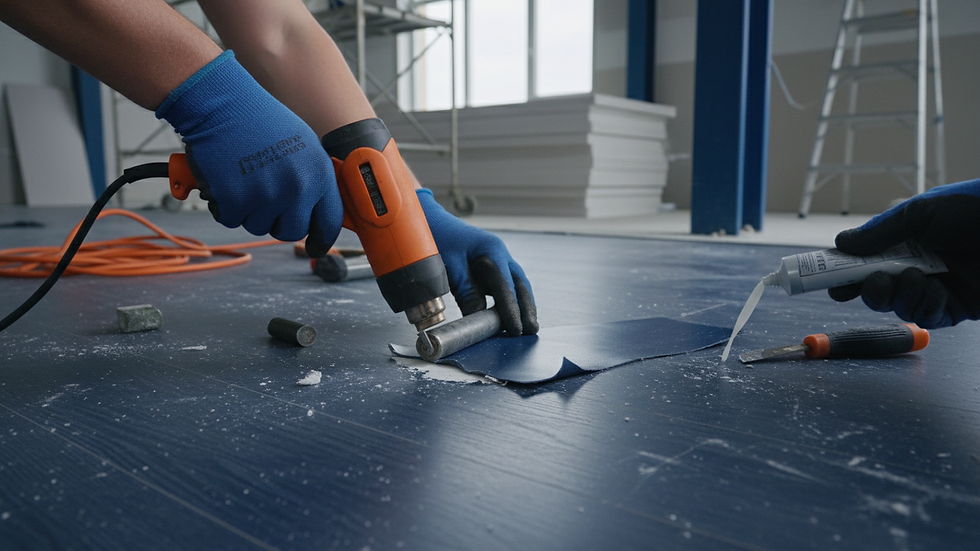
Small scratches and minor tears can often be fixed with a vinyl repair kit. These kits include adhesive, patches, and sometimes color compounds to blend repairs. DIY repairs save money but require patience and attention to detail. If done incorrectly, they may worsen the damage or look unprofessional.
Professional Repairs:
Hiring a professional ensures the repair is done correctly and efficiently. Professionals have access to specialized tools and materials, and they can handle complex issues like water damage or large section replacements. While the upfront cost is higher, professional repairs often last longer and maintain the floor’s appearance better.
For those unsure about the repair scope, consulting a professional is a wise choice. They can assess the damage and provide an accurate estimate of vinyl floor repair services cost.
Materials and Tools Needed for Vinyl Floor Repairs
Understanding the materials and tools involved in vinyl floor repairs helps you evaluate repair options and costs.
Common Materials
Vinyl Repair Kits: Include adhesive, patches, and color compounds.
Replacement Vinyl: Sheets or tiles matching the existing floor.
Seam Sealer: Used to bond vinyl edges and prevent moisture intrusion.
Subfloor Repair Materials: Plywood or leveling compounds if the subfloor is damaged.
Essential Tools
Utility knife or vinyl cutter
Putty knife or scraper
Heat gun (for softening vinyl)
Roller (to press patches firmly)
Measuring tape and straight edge
Having the right materials and tools ensures a smooth repair process. If you hire a professional, they will bring these items, but knowing them helps you understand the work involved.

Tips to Minimize Vinyl Flooring Repair Costs
Keeping repair costs manageable is important. Here are some practical tips:
Act Quickly: Address damage as soon as it appears to prevent worsening.
Regular Maintenance: Clean and protect your vinyl floors to reduce wear and tear.
Use Repair Kits for Minor Issues: Save money by fixing small scratches or holes yourself.
Get Multiple Quotes: Compare estimates from different contractors to find the best price.
Consider Partial Replacement: Sometimes replacing a damaged section is more cost-effective than full-floor replacement.
Protect High-Traffic Areas: Use rugs or mats to reduce damage in busy spots.
By following these tips, you can extend the life of your vinyl flooring and avoid costly repairs.
Planning Your Vinyl Flooring Repair Project
Before starting any repair, proper planning is essential. Here are the steps to follow:
Inspect the Damage: Identify the type, size, and location of the damage.
Determine Repair Method: Decide if a DIY fix or professional service is appropriate.
Gather Materials and Tools: Purchase or rent what you need.
Prepare the Area: Clear furniture and clean the floor.
Perform the Repair: Follow instructions carefully or supervise professionals.
Allow Proper Drying Time: Ensure adhesives and sealers cure fully before use.
Inspect the Repair: Check for durability and appearance.
Proper planning reduces surprises and helps keep your project on budget and schedule.
Final Thoughts on Vinyl Flooring Repair Pricing
Understanding vinyl flooring repair pricing is crucial for making informed decisions about maintaining your floors. Costs vary based on damage type, repair complexity, and labor rates. Whether you choose to handle minor repairs yourself or hire professionals, knowing what to expect financially helps you plan effectively.
If you want a reliable estimate or professional assistance, consider reaching out to local experts who specialize in vinyl floor repairs. They can provide detailed assessments and ensure your floors look their best for years to come.
For a clear idea of vinyl floor repair services cost, you can visit vinyl floor repair services cost to explore options and pricing details.
Taking care of your vinyl flooring promptly and properly protects your investment and maintains the comfort and appearance of your property.


Comments