


Comprehensive Guide to Water Damage Restoration Process
- Murillo Moreira

- Mar 2
- 4 min read
Water damage can strike unexpectedly, causing significant disruption and costly repairs. Whether from a burst pipe, heavy rain, or flooding, addressing water damage quickly and effectively is crucial. I will walk you through the essential steps of the water damage restoration process, providing clear, practical advice to help you manage this challenging situation.
Understanding the Water Damage Restoration Process
The water damage restoration process involves several critical stages designed to minimize damage and restore your property to its original condition. Acting promptly is vital because water can quickly seep into walls, floors, and furniture, leading to mold growth and structural issues.
The first step is to assess the extent of the damage. This includes identifying the water source and determining whether the water is clean, gray, or black (contaminated). Clean water comes from sources like broken pipes, while gray water may contain some contaminants, and black water is highly contaminated, such as sewage.
Next, you need to stop the water source to prevent further damage. This might involve shutting off the main water supply or fixing a leaking pipe. After stopping the water, the focus shifts to water extraction. Removing standing water quickly reduces the risk of long-term damage.
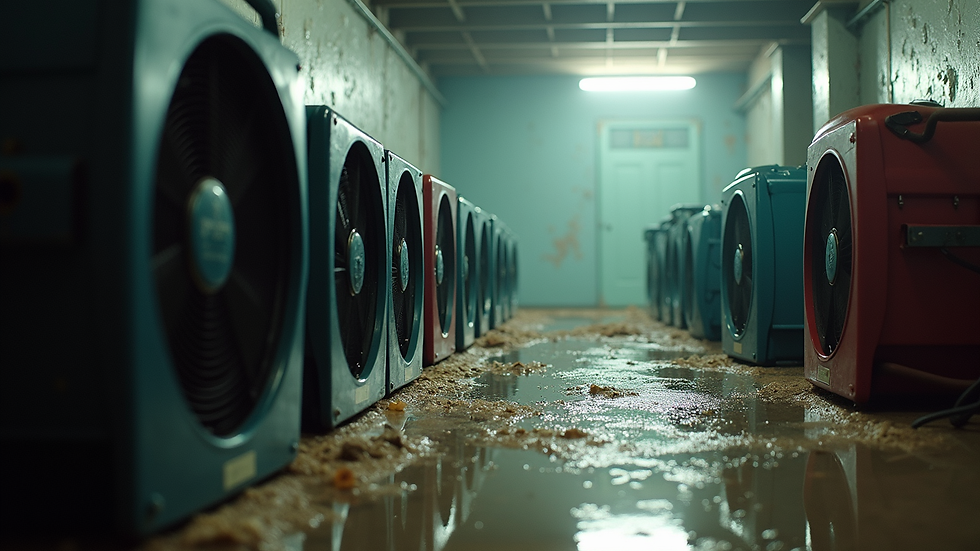
Once the water is removed, the drying and dehumidification phase begins. Using industrial fans and dehumidifiers, you dry out the affected areas thoroughly. This step is crucial to prevent mold growth and warping of materials.
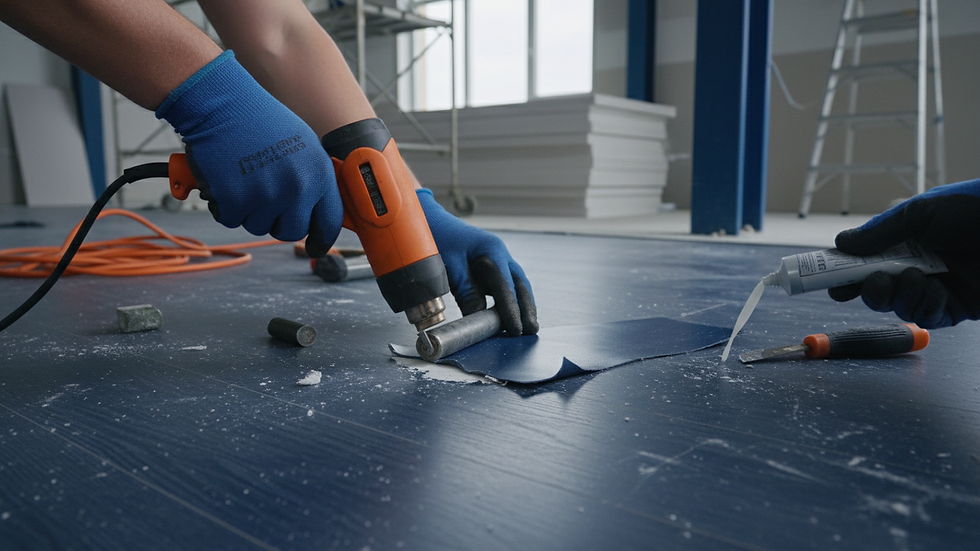
Finally, the restoration phase involves repairing or replacing damaged materials such as drywall, flooring, and insulation. This step may also include cleaning and sanitizing the area to ensure it is safe and healthy.

Step-by-Step Water Damage Restoration Process
To handle water damage effectively, follow these detailed steps:
Ensure Safety First
Before entering a water-damaged area, turn off electricity to avoid electrical hazards. Wear protective gear such as gloves and boots, especially if the water is contaminated.
Document the Damage
Take photos and videos of the affected areas for insurance claims. This documentation will support your case and help you track the restoration progress.
Remove Standing Water
Use pumps, wet vacuums, or mops to remove as much water as possible. For large-scale flooding, professional water extraction equipment may be necessary.
Dry and Dehumidify
Set up fans and dehumidifiers to circulate air and remove moisture. Open windows and doors if weather permits to improve ventilation.
Clean and Disinfect
Clean all surfaces with appropriate cleaning agents. Disinfect to eliminate bacteria and prevent mold growth, especially in areas exposed to gray or black water.
Inspect for Mold
Check hidden areas such as behind walls and under floors for mold. Mold can develop within 24-48 hours after water exposure, so early detection is critical.
Repair and Restore
Replace damaged drywall, flooring, and insulation. Repaint walls and refinish surfaces as needed to restore your property’s appearance.
Prevent Future Damage
Identify and fix vulnerabilities such as poor drainage or faulty plumbing. Consider installing sump pumps or water alarms for early detection.
Essential Tools and Equipment for Water Damage Cleanup
Having the right tools can make the restoration process more efficient and effective. Here are some essential items:
Water Pumps and Wet Vacuums: For removing standing water quickly.
Dehumidifiers: To reduce moisture levels in the air.
Air Movers/Fans: To increase air circulation and speed up drying.
Moisture Meters: To detect moisture levels in walls and floors.
Protective Gear: Gloves, boots, masks, and goggles to ensure safety.
Cleaning and Disinfecting Agents: To sanitize affected areas.
Plastic Sheeting and Tape: For containment and preventing cross-contamination.
Using these tools properly helps prevent secondary damage and speeds up the restoration process.
When to Call Professionals for Water Damage Cleanup
While minor water damage can sometimes be managed independently, many situations require professional intervention. You should contact experts if:
The water is contaminated (gray or black water).
The affected area is larger than 24-48 square feet.
Water has soaked into structural components like walls, ceilings, or floors.
You detect mold growth or suspect hidden moisture.
Electrical systems are affected.
You lack the proper equipment or experience.
Professional restoration companies have specialized equipment and training to handle complex water damage safely and thoroughly. They also provide documentation for insurance claims and ensure compliance with local regulations.
For reliable and high-quality service, consider contacting a trusted company specializing in water damage cleanup and restoration.
Tips for Preventing Water Damage in Your Property
Prevention is always better than repair. Here are practical tips to reduce the risk of water damage:
Regularly Inspect Plumbing: Check pipes, faucets, and appliances for leaks.
Maintain Gutters and Downspouts: Ensure they direct water away from your foundation.
Seal Windows and Doors: Prevent water intrusion during heavy rain.
Install Sump Pumps: Especially in basements prone to flooding.
Monitor Water Pressure: High pressure can cause pipe bursts.
Keep an Eye on Appliances: Washing machines, dishwashers, and water heaters can leak.
Landscape Wisely: Grade soil away from your building to prevent pooling.
By implementing these measures, you can protect your property and avoid costly restoration projects.
Final Thoughts on Managing Water Damage
Dealing with water damage requires prompt action, careful planning, and the right resources. Understanding the water damage restoration process helps you respond effectively and minimize losses. Whether you choose to handle minor issues yourself or hire professionals, prioritizing safety and thoroughness is essential.
Remember, early intervention can prevent mold growth and structural damage, saving you time and money in the long run. Keep your property well-maintained and prepared to face water-related emergencies with confidence.


Comments