


Effective Repairs for Water Damaged Laminate Floors
- Murillo Moreira

- Feb 24
- 4 min read
Water damage to laminate floors can be a frustrating and costly problem. When moisture seeps into the flooring, it causes swelling, warping, and discoloration. However, not all water damage means you must replace the entire floor. With the right approach, you can repair water damaged laminate floors effectively and restore their appearance and function. This guide provides clear, practical steps to help you address water damage and protect your investment.
Understanding How to Repair Water Damaged Laminate Floors
Repairing water damaged laminate floors requires a clear understanding of the damage extent and the materials involved. Laminate flooring consists of several layers, including a photographic layer that mimics wood, a core layer made of fiberboard, and a protective top layer. Water primarily affects the core layer, causing it to swell and lose structural integrity.
The first step is to identify the source of the water and stop it. Whether it is a leak, spill, or flooding, controlling moisture is critical to prevent further damage. Next, assess the damage by inspecting the affected planks. Look for signs such as:
Buckling or warping
Soft or spongy texture
Discoloration or staining
Separation between planks
Once you understand the damage, you can decide whether to dry, repair, or replace the affected sections. In many cases, minor damage can be repaired without removing the entire floor.

Step-by-Step Guide to Repair Water Damaged Laminate Floors
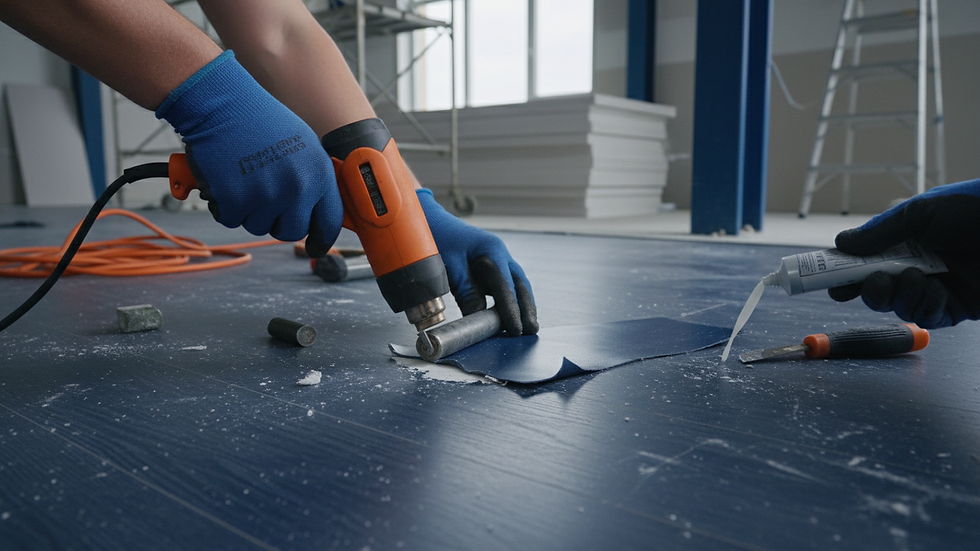
Here is a detailed process to repair water damaged laminate floors:
Remove Moisture Immediately
Use towels, mops, or a wet/dry vacuum to remove standing water. The faster you act, the better the chances of saving the floor.
Dry the Area Thoroughly
Use fans, dehumidifiers, or open windows to dry the floor completely. This may take several days depending on the humidity and temperature.
Remove Damaged Planks
If planks are swollen or warped, carefully remove them. Laminate floors are often installed as a floating floor, so you can lift the damaged boards without damaging the subfloor.
Inspect the Subfloor
Check the subfloor for moisture or mold. If the subfloor is wet, dry it thoroughly before installing new planks.
Replace with Matching Planks
Use replacement planks that match the existing floor. If you do not have spare planks, contact the manufacturer or a flooring supplier.
Install New Planks
Fit the new planks into place, ensuring tight seams. Use a tapping block and pull bar to secure the boards.
Seal the Floor
Apply a laminate floor sealant around the edges to prevent future water infiltration.
Following these steps carefully will restore your floor’s appearance and durability.
Can I Fix Water Damaged Laminate Flooring?
Yes, you can fix water damaged laminate flooring in many cases, especially if the damage is caught early. Minor swelling or discoloration can sometimes be reversed by drying the floor thoroughly. However, if the planks are severely warped or the core has expanded, replacement is often necessary.
Here are some tips to determine if repair is possible:
Surface Damage Only: If the damage is limited to the top layer and there is no swelling, cleaning and drying may suffice.
Minor Swelling: Sometimes, planks will return to normal after drying. Use fans and dehumidifiers to speed this process.
Severe Warping or Buckling: Replace the affected planks to avoid further damage.
Mold or Mildew Presence: If mold has developed, remove the damaged planks and treat the subfloor to prevent health risks.
If you are unsure about the extent of the damage, consult a professional for an assessment. Proper evaluation ensures you do not waste time and money on ineffective repairs.

Preventing Future Water Damage to Laminate Floors
Prevention is the best way to avoid costly repairs. Here are practical steps to protect your laminate floors from water damage:
Use Area Rugs and Mats: Place mats near entrances and in high-moisture areas like kitchens and bathrooms.
Clean Spills Immediately: Wipe up any liquid spills as soon as they occur.
Maintain Proper Humidity Levels: Use a dehumidifier in damp areas to keep humidity between 30% and 50%.
Seal Edges and Gaps: Apply sealant around the perimeter of the floor and near water sources.
Check Plumbing Regularly: Inspect pipes and appliances for leaks that could affect flooring.
Avoid Wet Mopping: Use a damp mop rather than soaking the floor with water.
By following these recommendations, you can extend the life of your laminate floors and reduce the risk of water damage.
When to Call a Professional for Laminate Floor Water Damage Repair
While many repairs can be done by homeowners, some situations require professional help. Consider contacting a specialist if:
The water damage covers a large area.
Mold or mildew is present.
The subfloor is damaged or wet.
You lack the tools or experience to replace planks.
You want to ensure the repair is done correctly and efficiently.
Professional contractors have the expertise and equipment to handle complex repairs. They can also provide advice on the best materials and techniques for your specific flooring type.
For reliable and high-quality laminate floor water damage repair services in the Boston, MA area, Dalbem Construction offers expert solutions. Their team ensures your floors are restored to their original condition with minimal disruption.
Maintaining Your Laminate Floors After Repair
After repairing water damaged laminate floors, proper maintenance is essential to keep them in good condition. Here are some tips:
Regular Cleaning: Sweep or vacuum regularly to remove dirt and debris.
Use Protective Pads: Place felt pads under furniture legs to prevent scratches.
Avoid Excess Water: Clean with a damp mop and avoid harsh chemicals.
Inspect Periodically: Check for signs of damage or moisture and address issues promptly.
Refinish or Replace as Needed: Over time, laminate floors may need refinishing or replacement to maintain appearance.
Consistent care will help your floors look great and last longer.
By following these guidelines, you can effectively repair water damaged laminate floors and protect your investment. Taking prompt action and using the right techniques ensures your floors remain attractive and functional for years to come.


Comments